

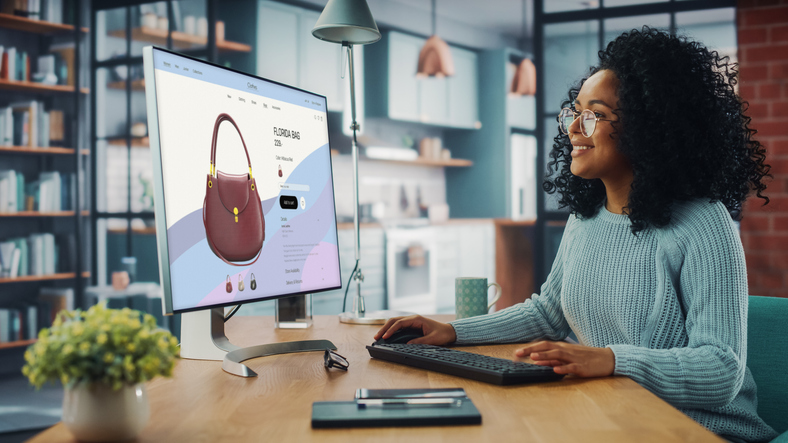
Le commerce de détail est un secteur difficile. Même les meilleurs détaillants sont confrontés à la concurrence et à l'évolution des besoins des consommateurs. Ainsi, les marques doivent réussir pour pouvoir continuer à fonctionner. Une façon d'augmenter les ventes est le merchandising. Il s'agit de développer et de distribuer les produits que votre entreprise propose. Les stratégies de merchandising continueront à jouer un rôle crucial dans le succès de votre entreprise de détail. Qu'il s'agisse d'attirer du trafic vers des catégories plus rentables ou de susciter l'enthousiasme en créant un engouement autour d'une nouvelle marque ou ligne de produits, ces stratégies sont des outils précieux qui donnent des résultats. Surtout, ces stratégies vous permettent de rester pertinent dans un secteur déjà compétitif.
With an effective merchandising strategy, retailers can cultivate a unique and reliable operation that draws shoppers’ attention to their products and builds brand loyalty. Here are some of the most effective and useful strategies for effective marchandisage au détail:
What is retail merchandising?
Retail merchandising refers to the strategies and tactics retailers use to present, promote, and sell products in a retail environment (both in‑store and online). It involves product assortment, placement, pricing, visual display, promotions, and the overall shopping experience to capture attention, drive purchase decisions, and optimise sales performance.
4 Types of Merchandising in Retailing
Here are four common types of merchandising in retail:
- Visual merchandising – Se concentre sur la manière dont les produits sont présentés, y compris la disposition du magasin, l'éclairage, la signalisation, les vitrines et la présentation sur les étagères, afin de créer des environnements de shopping attrayants.
- marchandisage de produits – Implique le choix des bons produits, de l'emballage, du positionnement, de l'assortiment et de la présentation (en ligne et hors ligne) pour stimuler les ventes et les achats.
- Merchandising croisé – L'association ou le regroupement délibéré de produits complémentaires ou liés pour encourager des achats supplémentaires (par exemple, des snacks à côté des boissons).
- Merchandising numérique/omnicanal – Application des principes de merchandising sur les canaux en ligne et intégration des points de contact physiques et numériques afin que les clients bénéficient d'une expérience cohérente en magasin, sur le web et sur mobile.
10 meilleures stratégies de merchandising pour réussir dans le commerce de détail
Bien défini Stratégies de merchandising can help retailers maximize revenue and increase sales. To attract and retain customers, retailers should implement the following best practices.
1. Develop a customer-centric merchandising strategy
Successful retail merchandising starts with the right insights, and the best information always comes directly from the customer journey. It includes all the stages a shopper goes through when interacting with a brand’s products or services. Many customers, for example, prefer to visit a store to physically experience a product.
Retailers can use this to their advantage and display products so that customers can feel, see and try them before purchasing. Offering free samples, placing the search bar in an eye-catching location on the site, or using a live chat feature to facilitate product purchases can enhance the experience. This will allow buyers to actively engage with the brand and ensure they are happy with their purchase.
2. Focus on branding and storytelling
Retailers need to determine how to convey their brand through their products and create a narrative about their mission or values. For example, unique packaging or a small statement printed on an item’s label can raise consumer awareness of the company’s brand.
Additionally, retailers can use their social media to demonstrate their unique tone and style. Using sound, motion technology, and scent to create interactive displays can help customers connect emotionally with a brand and encourage loyalty to the company.
3. A unique and attractive visual display
The placement of an item on the shelves is critical to attracting the customer’s attention. Retailers should consider placing their profitable, fast-moving products at eye level on the shelves or displaying them in the center of their store.
Des vitrines aux panneaux publicitaires en passant par l'agencement général du magasin, des techniques de marchandisage visuel efficaces fonctionnent constamment pour refléter la marque, attirer le client et augmenter les ventes.
- Des présentations innovantes et attrayantes en magasin et en vitrine pour attirer les clients.
- Plaider pour un espace de gondole premium.
- Des panneaux spécifiques et faciles à lire pour rendre l'expérience d'achat agréable.
- Présenter les nouveaux produits près de l'entrée.
- Regrouper les produits selon un thème contemporain et des couleurs populaires pour un shopping plus facile et agréable.
- Gardez votre magasin bien éclairé – L'éclairage est très important pour le marchandisage.
- Mettre en œuvre le marchandisage croisé.
- Utiliser la technologie et les données numériques en magasin pour fournir des informations pertinentes sur les produits, telles que vidéos, images, etc.
- Utiliser des bannières pour la publicité
- Créer des présentations en magasin expérientielles
4. Identifier les raisons pour lesquelles les clients n’achètent pas
Les détaillants doivent non seulement comprendre ce que leurs consommateurs veulent, mais aussi identifier ce qu’ils n’aiment pas. Souvent, un client n’achète pas un produit spécifique à cause de son emballage ou de la façon dont il est présenté en magasin.
En déterminant ce qui déplaît aux clients, les détaillants peuvent prendre des mesures pour améliorer leurs produits. Demander des évaluations et des retours sur un produit peut vous aider à identifier les besoins et attentes des clients.
5. Maintenir un stock optimal et éviter les ruptures
Constantly being out of stock of certain products can have a negative impact on the company’s bottom line and its customer base. When goods are not available, the retailer loses a sale, and customers are more likely to buy from competitors.
Businesses can gain better insight into their inventory levels by implementing inventory management software. These integrated tools allow managers to track their inventory in real-time and receive alerts when product quantities are low. This will help retailers upsell, cross-sell, and bundle products that consistently maintain optimal inventory levels to meet customer demands.
6. Conduct research on merchandising trends
Keeping up with new retail merchandising trends will give companies an edge over their slower-moving competitors. For example, recent trends show that influencer marketing and ethical brands are on the rise. Apparel retailers can improve their merchandising strategy by incorporating these trends into their operations.
Retailers can identify people on social media who have a large following and a similar style to their brand and ask them to advertise their clothing. Retailers can also innovate their production processes, include more ethical practices, and inform their consumers of these changes.
7. Balance merchandising volatility
External factors such as supply chain challenges, inflationary prices, economic uncertainty, and geopolitical factors influence demand. In addition, climate, employment conditions, and wages, both environmental and social, are volatile factors that retailers must always consider and incorporate into their plans.
Retailers can turn these challenges into opportunities if they make bold and deliberate decisions. The right retail outils de merchandising and effective operational management can help you survive and even thrive during tough economic times.
8. Collaboration with staff and suppliers
Avec la pleine collaboration des dirigeants, des managers et des employés, l'entreprise peut attirer les clients efficacement et réaliser des ventes. Les stratégies de merchandising doivent être communiquées de manière approfondie à l'équipe de vente afin de s'assurer qu'elle sait comment présenter et promouvoir les produits et services du magasin. Puisque les employés travaillent directement avec les clients, offrir une formation liée à la présentation des produits et recueillir leurs retours peut également aider les responsables de la vente au détail à améliorer leurs stratégies.
Collaborer avec les fabricants sur les prix. Étant donné que les fluctuations des prix des matières premières influencent les prix de vente au détail, il est essentiel de s'aligner avec les fournisseurs pour que les détaillants puissent ajuster les prix afin de maintenir leur rentabilité, même si les consommateurs doivent payer un peu plus.
Il y a de nombreux éléments à une stratégie de merchandising réussie, mais avec une planification soigneuse, les détaillants pourront captiver les clients et surpasser leurs concurrents.
9. Canaux de fulfillment avancés
Les détaillants leaders facilitent le retrait des commandes en ligne dans les magasins physiques (BOPIS) afin de rester centrés sur le client. Le retrait en magasin réduit les points de friction pour les détaillants comme pour leurs clients et tente de faire du commerce en magasin un avantage par rapport aux concurrents en ligne. La gestion des stocks pour les ventes en ligne et en magasin est un défi majeur pour les détaillants, et plus l'utilisation du BOPIS devient normale, plus il devient important de mieux maîtriser cet équilibre.
10. Utiliser une technologie intégrée pour réussir dans le commerce de détail
Retailers, whether online or brick-and-mortar, can improve their merchandising operations simply by adding a solution to their operations. Digital transformation can help retailers understand the financial impacts of trade-offs and enable advanced decision-making in their merchandising processes. This requires a Logiciels de merchandising solution that delivers high performance, increases foot traffic, and boosts your sales, profits, and reputation.
Improve your merchandising in the 21st century. Don’t get left behind. ChainDrive Logiciels de Merchandising au détail helps you win across the retail chain and optimize your merchandising operations. Get a free online demo today with one of our merchandising experts to grow your retail business.